A dental visit is a routine procedure for millions of people that brings forth the fear of sweaty palms, a racing heart, and the strong urge to cancel. If this sounds familiar, you aren't alone. One in three adults suffers from dental anxiety and fear management is one of the most frequent problems encountered in modern oral healthcare. The good news? Sleep dentistry has revolutionized the dental care experience, allowing even the most nervous of patients to receive the treatment they deserve comfortably and safely.
So, what is dental anxiety, and why does it occur?
Dental anxiety can be a mild feeling of unease, or it can be so strong that it is a dental phobia, meaning that people avoid dental care altogether. These can be fear of pain, noises of the dental tools, loss of control in the chair, or a past traumatic dental experience. This untreated dental anxiety leads to untreated dental disease and further adds to the dental anxiety and avoidance cycle. The first step to overcoming your anxiety is to identify where it's coming from. One way or another, whether it is from experience or the unknown, there are effective dental anxiety management strategies, and sleep dentistry is at the top of the list.
What is Sleep Dentistry?
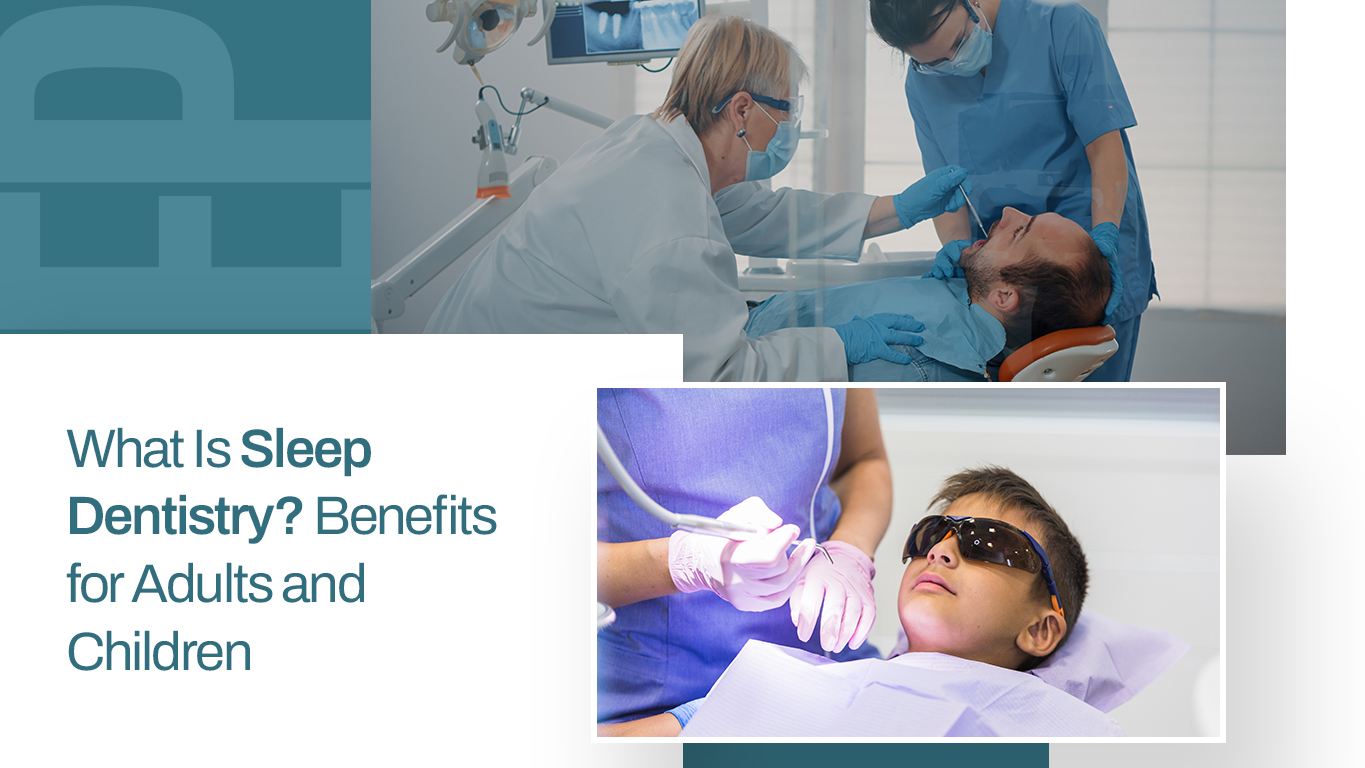
What is sleep dentistry? As the name suggests, sleep dentistry is not a sleep-inducing procedure (unless general anaesthetic is used). It is the use of sedative methods that cause patients to be deeply relaxed during dental treatment and feel sleepy, at ease and are not greatly aware of what is going on around them.
Sleep dentistry uses a variety of levels of sedation:
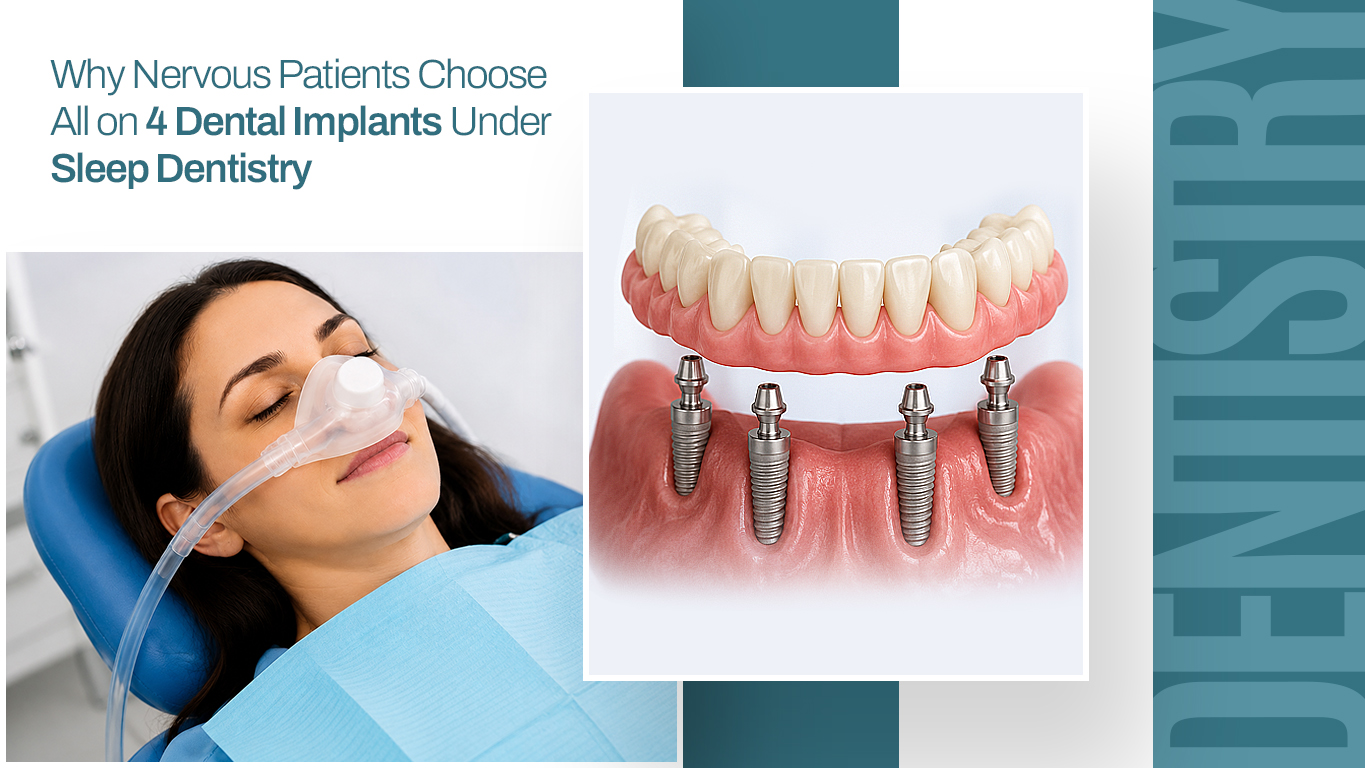
- Nitrous Oxide (Happy Gas): A mild sedative that is administered via a mask and takes effect within minutes, relaxing you. Patients are conscious and can follow instructions, but are comfortable. Does not last long and home after your appointment.
- Oral Sedation: A sedative drug administered orally before the appointment. This will provide moderate sedation, you will be deeply relaxed and may remember little of the procedure.
- IV Sedation: Sedation is directly given through the bloodstream to achieve a greater level of sedation. You will be aware of it, but not remember it. Ideal for those with significant anxiety levels or those to be in the office for a longer duration of time.
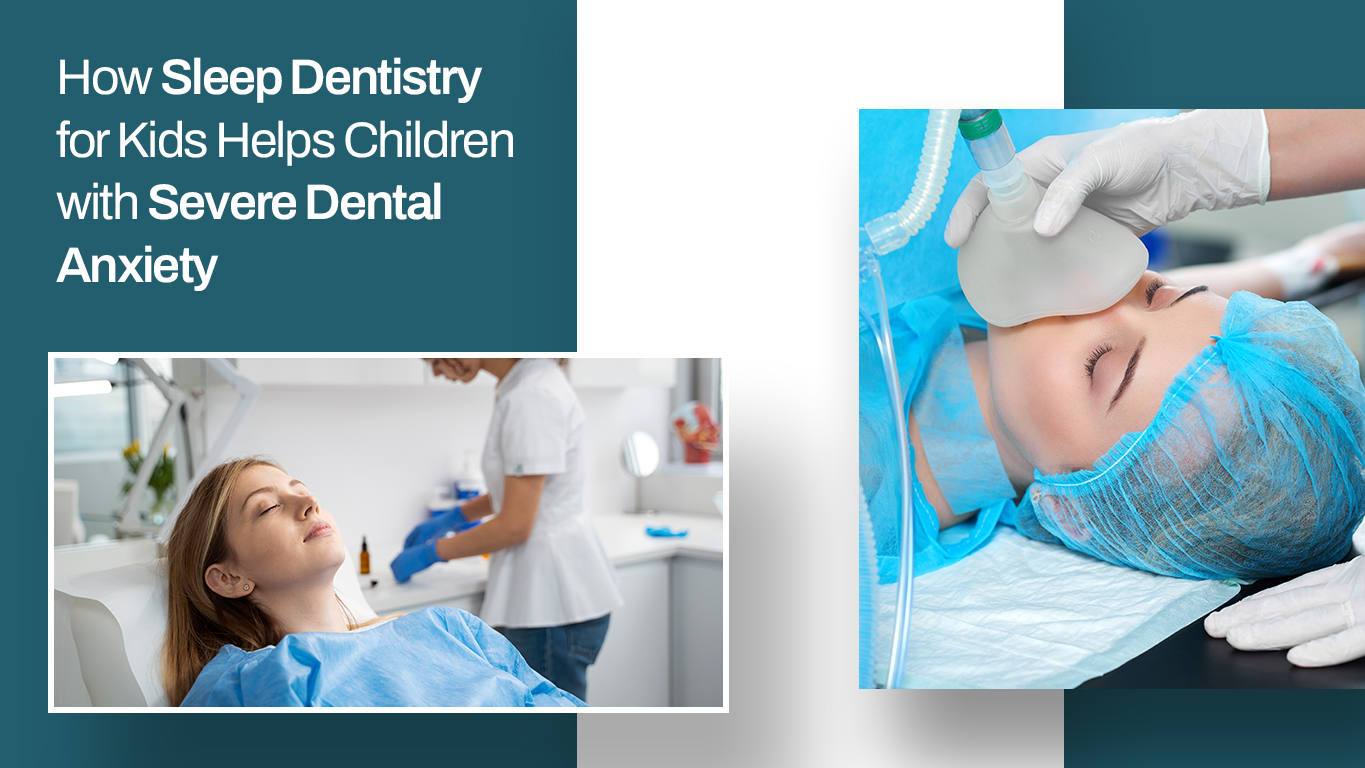
- General Anaesthetic: It is used in some clinical situations, and the patient is completely asleep. It is usually used for complicated surgeries or for patients who have a high level of dental anxiety.
How to Ease Dental Anxiety
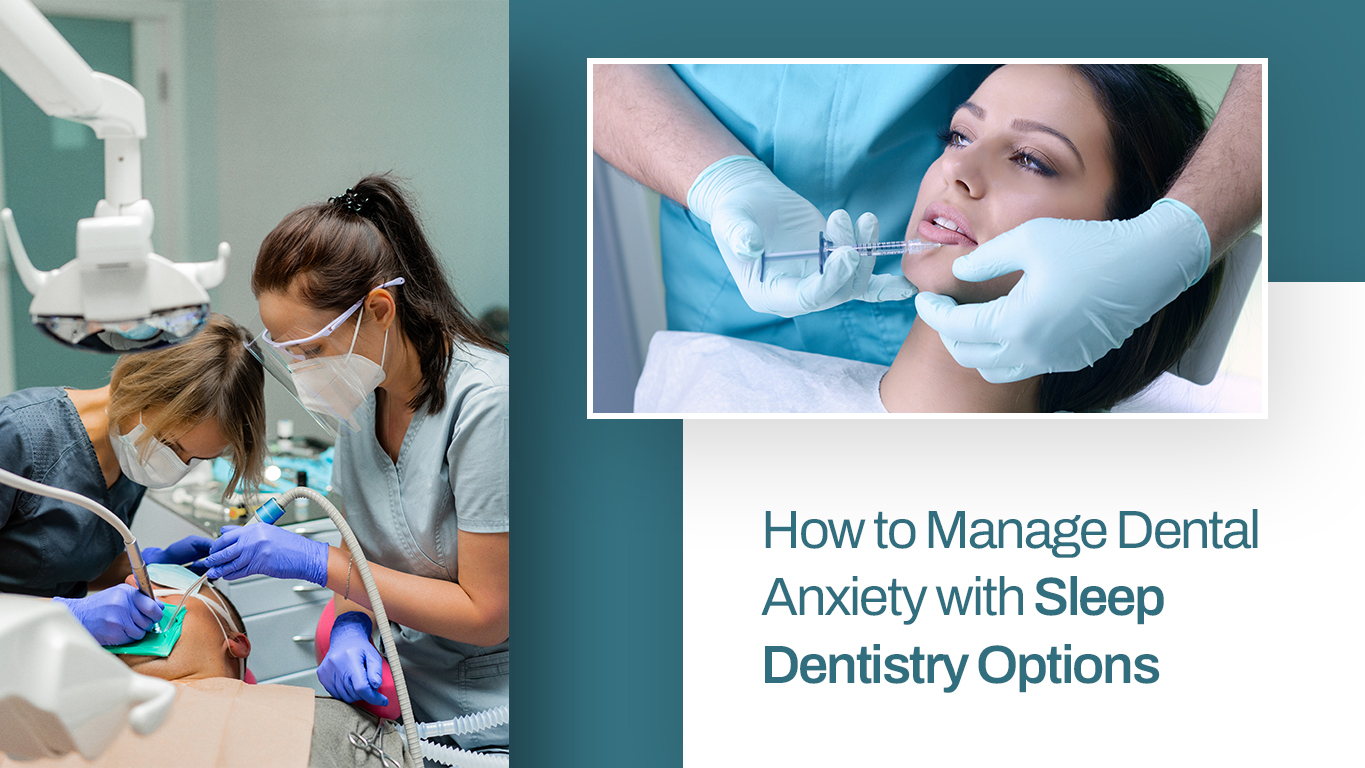
There are a number of effective strategies that can help reduce dental anxiety before and during treatment, in addition to sedation:
- An honest discussion about fear will always be encouraged by your dentist. Make a signal (hand up, etc.) to end the procedure at any point. Having a sense of control is associated with a significant decrease in anxiety.
- Slow breathing: breathing slowly and deeply, using the relaxation response. Before and during the appointment, inhale for 4 counts, hold for 4 and then exhale for 6 counts.
- Practice Before Hand- A visit before the appointment to get to know the team and the space will help eliminate the fear of the unknown and create familiarity.
- Use the correct dental practice. Not all dental practices are experienced or trained in dealing with nervous patients sensitively. There is a strong emphasis on choosing a clinic that has a special interest in dental anxiety and fear management.
- To create a mental barrier between you and the sound of the dental office, you can use a Distraction Noise-cancelling headphone and a playlist or podcast of music that you enjoy.
Bottom Line
If you are afraid of going to the dentist, you are not alone, and Bayswater Dentist is on hand to help you get the smile you deserve. Our caring, knowledgeable team is highly skilled with dental anxiety and offers a full range of sleep dentistry options to fit your comfort level – from happy gas to IV sedation. The patient's well-being is put first, and Bayswater Dentist sets up a relaxed and comfortable clinic environment, ensuring that each visit is a safe, stress-free and even enjoyable experience. The first step towards a pain-free and anxiety-free dental care experience is to schedule a consultation appointment with a Bayswater dentist today, and eliminate the fear of the dentist.