Most practices have a handful of patients they cannot treat properly in the chair. The four-year-old with early childhood caries who will not open. The adult with an intellectual disability whose treatment plan has been deferred for years. The patient who books, cancels, and books again. Referring those cases out usually means losing them to a hospital waiting list, or to another practice.
Advanced Sleep Dental Solutions was built so that does not have to happen. It is a purpose-built day-surgery facility in Bayswater where you bring your own patient, do the treatment yourself, and take the patient back with you afterwards.
What the facility is? and what it is not
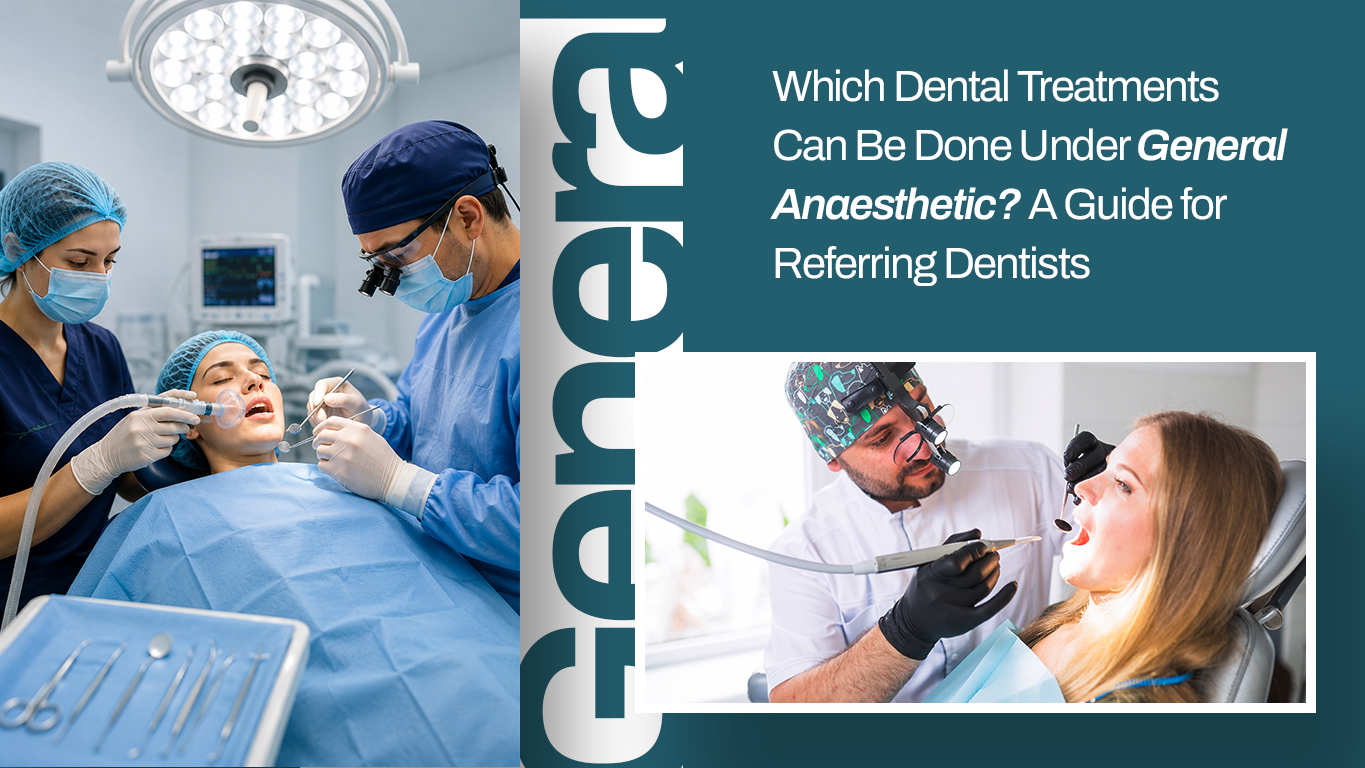
ASDS is a theatre, not a dental practice. No in-house dentist is competing for your patients, and no chair-side treatment is offered under our own name. What the facility supplies is the operating theatre and recovery suite, theatre nursing, and, where you want it, dental assistants, instruments and materials. You bring the patient, the treatment plan and, if you prefer, your own assistant.
The anaesthetic is delivered by the anaesthetist
This is worth stating plainly, because it is the part dentists ask about most. General anaesthesia and IV sedation at the facility are administered by Sleep Dentistry Services, the specialist anaesthetic partner. The SDS team brings its own anaesthetist, anaesthetic staff and equipment to Bayswater for every list
SDS also handles the pre-operative medical review and clearance, determines the appropriate anaesthetic technique for each patient, calculates the Medicare rebate, and bills the patient directly for the anaesthetic. Neither the treating dentist nor the facility administers the anaesthetic or takes responsibility for the airway. Your role stays exactly where it should be in dentistry.
Cases expected to run beyond 5.5 hours are reviewed by the SDS Medical Director before they are booked.
Which cases suit a GA list
The range is wider than most referrers expect. Common case types include:
- Paediatric full-mouth rehabilitation - multiple restorations, pulpotomies, stainless steel crowns and extractions completed in a single visit rather than across a string of failed appointments.
- Patients with special needs - intellectual disability, autism, cerebral palsy, dementia, and non-verbal patients for whom examination alone is difficult.
- Severe dental anxiety and phobia - particularly where nitrous oxide or oral sedation has already been tried in your practice and has not been enough.
- Surgical and multiple extractions - including impacted third molars and full-clearance cases.
- Implant placement, including multiple fixtures, full-arch cases and grafting, where chair time is the limiting factor.
- Extensive restorative work consolidated into one sitting instead of six appointments.
- Pronounced gag reflex that makes impressions, radiographs, or posterior work impractical.
- If a case would be straightforward but for the patient’s ability to tolerate it, it is usually a candidate.
Eligibility
- No minimum age. Patients under four are accepted.
- BMI up to 50.
- Patients with complex medical histories are assessed individually by SDS during the pre-operative review.
- Lists run Monday to Saturday, 7 am to 7 pm, which allows for weekend and out-of-hours theatre time.
The patient stays yours
The referral pathway is deliberately built so the treating dentist keeps the clinical relationship and the treatment fee.
A patient treated at the facility receives three separate accounts:
- The dental treatment fee : invoiced by you, the referring practice. Not claimable through Medicare.
- The facility fee : invoiced by ASDS on an hourly basis. Not claimable through Medicare.
- The anaesthetic fee : invoiced by Sleep Dentistry Services. Partly claimable through Medicare.
Only the anaesthetic attracts a Medicare rebate. The facility fee is quoted per case before booking, based on the theatre time you expect to need, and a loading applies for patients under 13 and for patients with additional needs. There is no GST on any of it — the figure quoted is the figure charged.
How a referral works
- Get in touch, and we send you the referring dentist pack rate card, booking form and the facility hire agreement.
- Submit the booking form with the patient’s details, the treatment plan and your estimated theatre time. SDS contacts the patient directly to complete the medical questionnaire and issue their anaesthetic estimate.
- We confirm your theatre time on an upcoming list, and the patient receives all three costs in writing before the day.